
The Front Door to the Forest
This weekend we walked the fields of Sans Souci with our partner, Ancient Origins Permaculture. Certified Permaculture Designer Tyler Heitzman is less a consultant and more a firehose of information aimed directly at our brains.
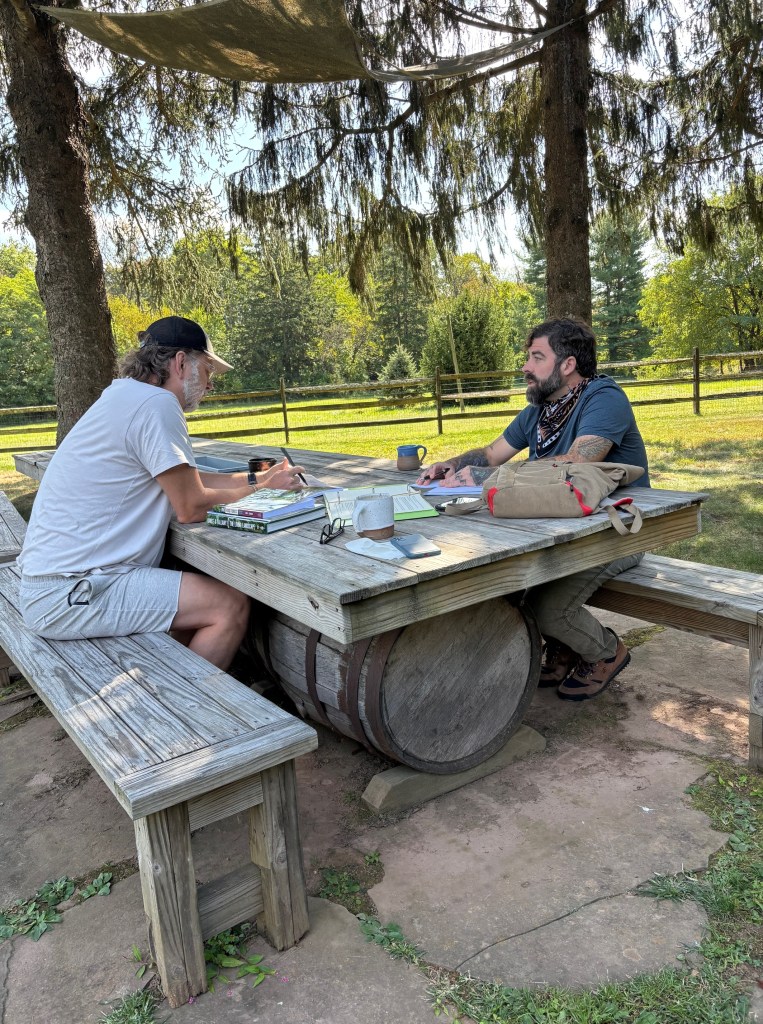
He knows every permaculture author who ever scribbled a manifesto, every podcaster who ever uttered the word “guild,” and can recall the quirks of each plant like they’re all old drinking buddies. For nearly four early morning hours, Lori and I sat with him, soaking it all in as he reviewed the detailed plan for our four acres.
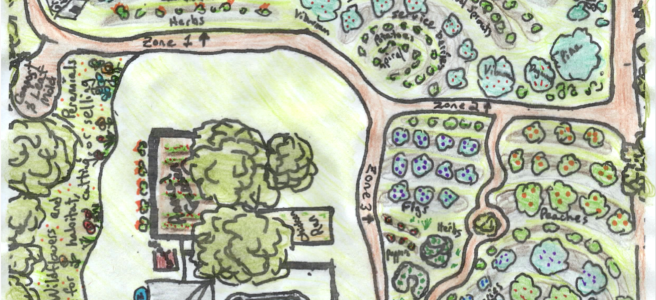
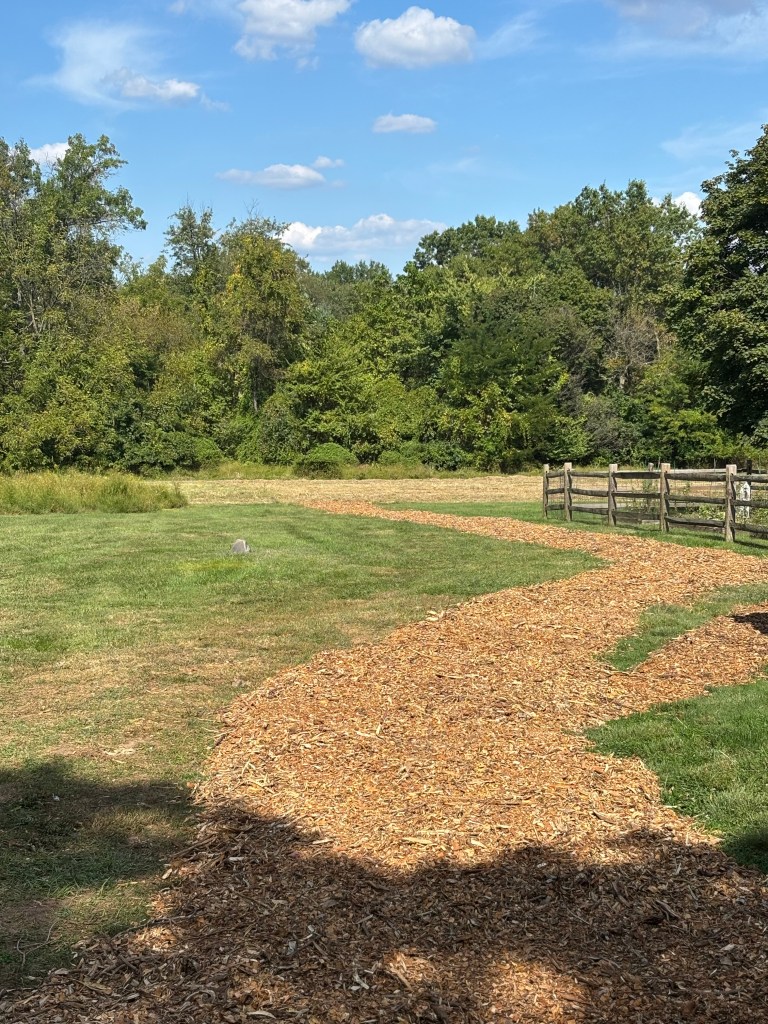
Tyler’s comprehensive plan divides the property into zones that each include dozens of different plants. We’ll begin with Zone One—the strip of field right below the road we recently built. It’s the “front door” of the project, the place where strangers and friends will see change first and where we’ll cut our teeth. It’s also the most visible from the house and the easiest to access.
Permaculture doesn’t plant in obedient rows like military-industrial farming—the kind that drains the soil and churns out food stripped of nutrition. Instead, it plants in guilds: little democratic villages of canopy trees, understory sidekicks, shrubs, clumpers, vines, fungi, and roots—all leaning on each other in a complex barter system of shade, nutrients, and pest control.
This mimics the way natural forests grow, and it’s one of the reasons food forests are considered a cornerstone of regenerative agriculture—they restore soil health, increase biodiversity, and require far less outside input once established. In Zone One, Tyler designed a Deer Fence Guild—a lineup of plants tasty enough to (hopefully) lure animals away from the crops we actually care about. Basically, sacrificial snacks for the growing army of deer out back.
The master plan is ambitious enough to require an actual army, but we’re starting with what two old-timers and a few willing friends can handle. We were fortunate to meet an awesome family a few houses away, and Matt—who is extremely enthusiastic about this kind of project—comes with two farm tractors, plenty of curiosity, and a love of being neighborly.
We’ll be installing the largest, most mature trees we can afford, and for that we’ll need the community that permaculture preaches… especially since we’re both working full-time and my plate already overflows with volunteer commitments.
Step one is swales—18-inch-high ridges that snake along the land’s natural contours, catching rainwater like cupped hands. Building them is (in Tyler’s parlance) gloriously low-tech: pick-axe a trench, flip the sod, then layer manure, compost, and topsoil until you’ve built a miniature loaf of fertility. Line the trench with river stones, and suddenly it’s both walkway and water trap. Swales are one of the most important regenerative tools because they slow water down, recharge groundwater, and make every drop work harder before it leaves the land.
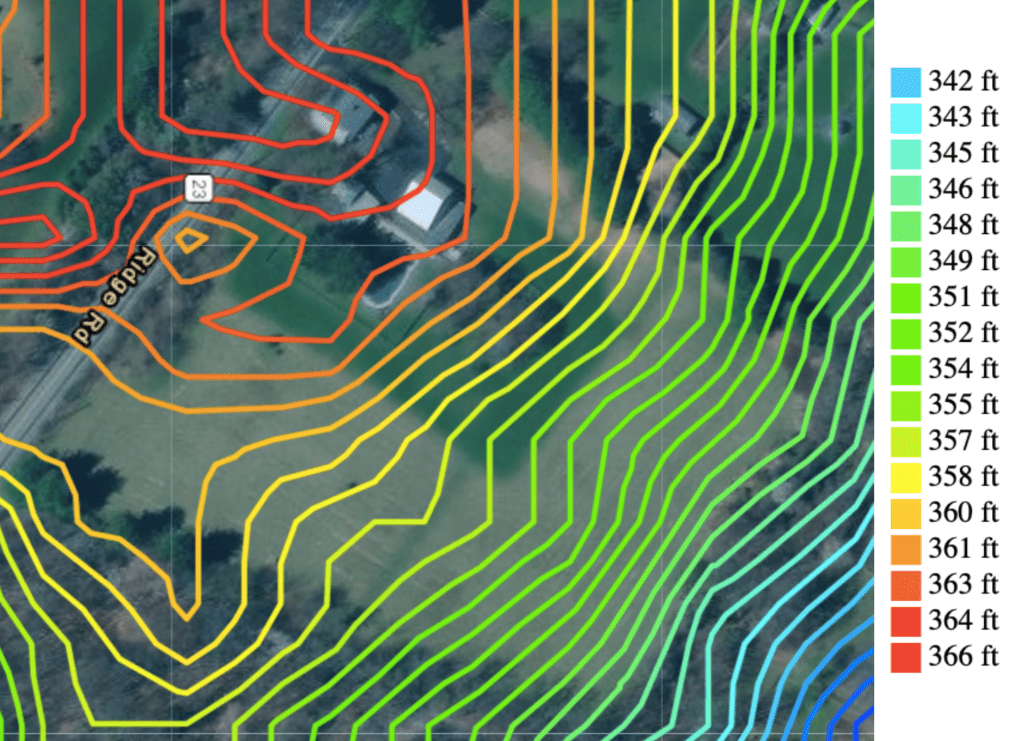
According to Tyler, water is the real architect here. Our field tilts a gentle six degrees, and his topographical study shows us the key lines—the veins where water naturally wants to travel. Theory on paper is one thing; in practice, we’ll be using an A-frame level, a wooden triangle with an attached bubble level to determine the actual detailed shapes of the swales.
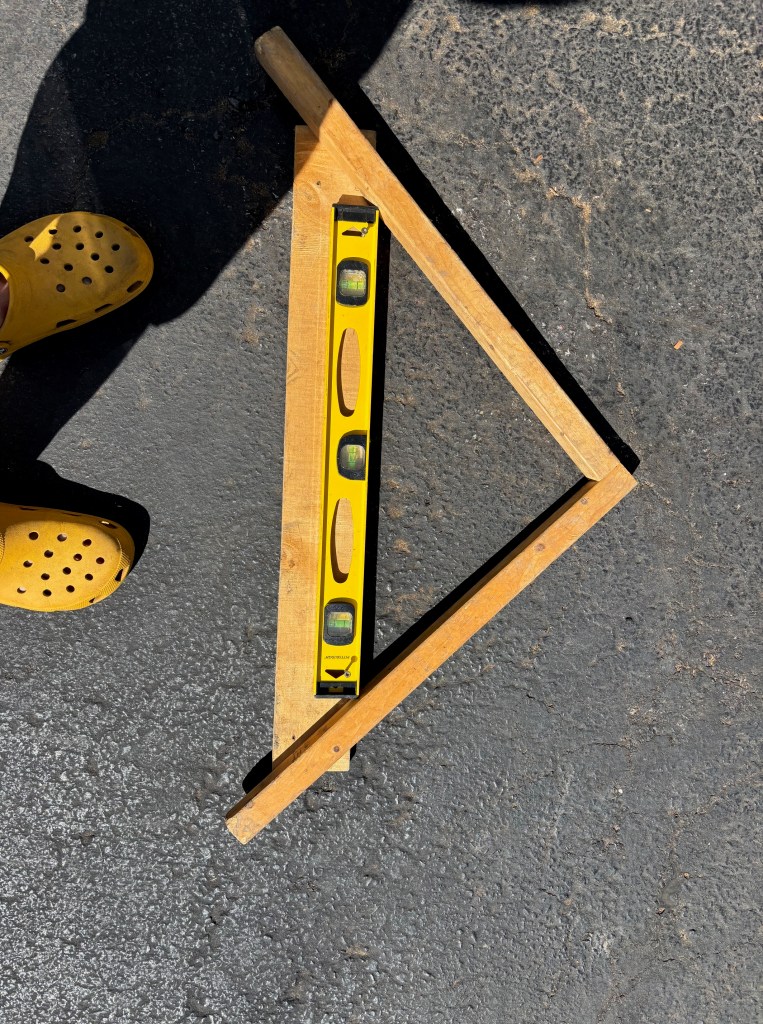
Native Americans used the same tool with a dangling rock centuries ago, back when Sans Souci was last a forest and the Lenni Lenape roamed the region. Projects like this don’t just plant trees—they are part of a broader effort at rewilding, inviting landscapes to reclaim complexity and resilience that industrial farming erased.
Tyler preaches doing as much by hand as possible, and we’ve decided to follow his recommendations wherever we realistically can. That said, we did tweak a few of his species choices—swapping some of the 40 apple trees in Zone One for figs and apricots.
Lori and I are both fascinated by the idea of becoming fig and olive specialists, and we’re already dreaming about designing a Mediterranean Guild in future zones.
ZONE 1 GUILDS
As we dive into the planning, one of the most exciting parts is seeing how plants will work together in a single space. Instead of planting in lonely rows, permaculture builds guilds—little communities where trees, shrubs, vines, herbs, and groundcovers all support each other. Some feed the soil, some attract pollinators, some keep pests at bay. Together, they create a system that’s more resilient, more interesting, and more aesthetically pleasing to walk through.
Apple Tree Guild
Beans/Peas, Chives, Walking Onion, Lovage, Celery, Daikon Radish, Borage, Nasturtium, Peppers
Fig Guild
Borage, Yarrow, Dill, Fennel, Lemon Balm, Peas or Fava Beans, Marjoram, Sage, Thyme, Daylily, Cabbages, Carrots, Yucca, Canna Lily, and Germander.
Native Butternut Guild
Sassafras, Currants, Elderberry, Flying Dragon Citrus, Muscadine Grapes, Walking Onion, Miners Lettuce, Ramps/Leeks, Perennial Kale, Nasturtium, Daikon Radish, Cow Peas
Grape Guild
Yellow Raspberries, Roses, Comfrey, Passionflower, St John’s Wort, Hollyhock, Mulberry, Schisandra, Bluebead Lily, Peppermint, White Clover, Sage, Spearmint, Mullein, Lavender, Nasturtium
Cold Hardy Kiwi Guild
Concord Grapes, Raspberries, Currants, Marjoram, Catnip, Lemon Balm, Lavender, Seaberry, Sea Buckthorn, Comfrey, Licorice, Strawberry
Deer Fence Guild
Hazelnut, Mulberry, Sassafras, Staghorn Sumac, Elderberry, Gooseberry, Daylily, Asparagus
These lists are just the start. Once the planting begins, the guilds will take on lives of their own—growing, shifting, and surprising us in ways no plan on paper ever could.
So, as soon as the materials are sourced, the work begins: swales, trees, shrubs, groundcover… zone by zone, season by season. Projects like this move slowly, but the payoff is long-term: healthier soil, more biodiversity, more beauty, and, hopefully, a legacy of abundance that outlives us.
Stay curious.

 PALM READER